Thursday, November 28, 2019

Les Revenants & Genre


Highly atypical show: Les Revenants

Genre
  • Thriller/Horror
  • Romance
  • Action
  • Supernatural
  • Drama-
  • Avant-Garde
  • Zombie
  • French?
  • Unconventional/atypical/subversive
Example of cult TV
  • Fans who are devoted to a particular TV show
  • Intertextuality
  • Setting in the low French-Alps
  • Architecture is French-esque
  • Explicit amounts of blood
  • Produced by a French channel (Canal)
  • Treatment of genders is more relaxed than in the UK
  • Stereotypically looks of French people
If a TV show is aimed to multiple audiences, it's known as a double mode of address
For example: younger and older generations for Les Revenants

Facts
  • Released 26th November 2012 on Canal+
  • Released in the United Kingdom on the 9th June 2013, on Channel 4
  • 2 series, 8 episodes each
  • Based on the French film 'They Came Back' in 2004
  • Les Revenants (the movie) was directed by Robin Campillo
  • Created by Fabric Gobert
  • The show has a significant majority of white people suggesting it presents the ethnic diversity of France, this shows the target audience
    • George Gerbner argued that if a certain group of people was left out of a media product is called symbolic annihilation 
  • Mogwai- Band
    • Unconventional rock band
    • Extremely normal looking, not wearing anything special (Atypical)
    • No vocalist
    • Genre is post-rock and has a niche/cult audience
    • Can ensure the show that has a pre-sold audience
    • The soundtrack is Atypical/ they composed the entire soundtrack for Les revenants

"In the 21st century, it is essential for TV shows to offer their audiences multiple meanings" - evaluate this claim with reference to Les revenants/The Returned


  1. Representation can be used by the producer to manipulate the audiences ideology
  2. This allows the producer to construct a perfect reality that may be reflected in the real world
  3. This makes Les revenants highly polysemic as people's choices may not want to follow the producer's ideology
========================================================================
Promotional images for advertising
  • Camille is stereotypically attractive
  • Ginger suggests rebel
  • Dress older then she is, suggesting she's a mature teenager
  • She does display being grumpy
  • makeup suggests she's tired and ill
  • Is a highly subversive atypical representation of a teenage girl
  • This suggests that the audience has high expectations

  • Claire has nice hair, well dressed
  • She has a very understated glamour
  • Atypical representation of a middle-aged woman
  • Stereotypically middle class
Promotional image

  • Related image
  • Set in a valley in the French Alps, targets a French audience because it's something they would be familiar with
  • Black Rose is symbolic of Mourning which is a binary opposition between the wedding and the funeral
  • Binary opposition between life and death
  • Canal + co-produced I, Daniel Blake
  • Caption "The past has decided to resurface" suggests its edgy
  • Wedding dress has connotations for it being a romance genre
  • Specific stereotypical French people were chosen to show that this is a French show
  • Stuart Hall suggests that Les Revenants is a show that is supposed to have negotiated reading
  • The text is split in half which could be referring to binary opposition that Simone and Adele are divided and broken
  • The show is marketed differently in different nations because different nationalities stereotypically have different tastes
    • This is because of Cultivation theory by George Gerbner, that French people experience more edgy, sexual TV shows than other nationalities


  • The characters in Les Revenants are stereotypically attractive to a French Audience
Trailer


  • The trailer uses a rapid fire montage and cross-cutting, this is very conventional for a trailer
  • Trailer is exciting, has a range of characters, same footage but done by a different director instead of Robin Campillo
    • the distributors had taken a different role with the footage
  • Has english subtitles and english texts, meaning its aimed towards an english audience
  • Is exciting and fast-paced
    • close-up of pictures covered in blood suggests horror
    • Bus crash also suggests horror or action (very dramatic)
  • Atypical horror cult show, just like Mogwai
  • Also demonstrates a romance, horror, thriller, action hybrid genre
    • a philosophical cult drama
    • This is done to get a wider audience
      • the distributors are clearly targeting a mainstream audience
  • Hard-sell show


--------------------------------------------------------------------------------------------------------------------------

Camille and Lena
  • Lack of non-diegetic sound anchors the audience into a tense and deliberately uncomfortable scene, appealing to a niche audience or fans of horror and mystery
  • Knocking on wall in hermeneutic codes, indicating a dramatic and mysterious event
  • Deliberately confusing and challenging
Simone, Adele and Lena Scene


  • Adele's response is not logical and is not typical of the genre
    • Mid-shot of Adele collapsed against the door is symbolic of her misery and her lost of sanity, along with the high angle view makes her seem isolated, exposed, alone and weak
  • Preferred reading of this scene was to make her seem happy again, but Les Revenants puts us in a confused position by making her not happy to see her.
  • Terror intertextuality, the diajetic knocking sound, coupled with the shot of the handle moving is highly conventional of the horror genre.
    • The scene demonstrates hybrid fluidity between the genres of horror and romance
  • Brighter lights on Adele's side contrasts the low-key lighting on Simone's side of the door
  • Non-diajetic music creates a stereotypical horror track, instruments such as a piano can be played very creepily. An arpeggiated song, symbolises loss 
  • Big theme about this show is death, this means that this is final, and there is no return from death but Les revenants flips this, and for example Adele is upset because she believed she is being haunted by Simone
  • We have a shot of Simone yelling "open the fucking door" with a counter shot of Adele screaming "go away'. This creates a barrier between the two and a diametric opposition.
  • Extremely uncommercial scene
  • Mise-en-scene of the mirror symbolises that Simone is a ghost and that he doesn't belong here
  • Adele wears a white dress symbolises the fact that she is married
    • Simone is wearing a suit which creates a binary opposition between Adele and Simone,  Simone is giving order and being stereotypically masculine, Adele is being stereotypically feminine and being scared and isolated, this links to Lisbet Van Zoonen's theory that genders are portrayed in a certain way across all media
  • Low-key lighting in Adele's house is a proairetic code suggesting something bad is going to happen to her
    • This could be an intertextual reference to the gothic genre
    • lighting is artificial suggesting Adele carries herself now and doesn't want Simone in her life
  • Long shot of Lena suggests how lonely she is and how vulnerable she is
  • Middle-class characters for a middle-class audience
  • Every character in the show is white, suggesting a white middle-class target audience
  • Slow paced editing but increases as the music gets more intense
Monsieur/Madame Costa

  • Mise-en-scene or the ropes that bond her make her seem vulnerable, the fact that the audience is place in another room to her on the other side of the fire on the other side of the door frame
    • Completely atypical response
  • Soundtrack doesn't fit the scene, it is a contrapuntal sound
  • There is a mundane/boring response to the fire, Mr Costa thinks he's gone mad, Mrs Costa is confused by the fire
  • Classy old fashioned house suggests middle-class elder persons house


--------------------------------------------------------------------------------------------------------------------------

Steve Neale wrote about Genre such as conventions to give movies and TV shows certain generic classification 
Genre can sometimes be ineffective in categorising media if it involves completely different media products that follows the same genre partially
Genre limits creativity 
  1. Twin Peaks
  2. Buffy the Vampire Slayer
  3. The Wire
  4. Doctor Who
The Walking Dead


Monday, November 18, 2019

Television Industry

All media industries are specialised in their own way

Digital media has completely changed the way in which the television industry works

Television

  1. Television is a global industry
  2. Television is a commercial industry
  3. Public service broadcasting
  4. Private television channels
  5. Global private television channels
  6. During the early days, TV was seen as manipulative, spreading propaganda and makes you stupid
Broadcast
Piece of media that spreads a wide net across a various amount of audiences

Netflix
  • The end of the fucking world is a perfect example of narrowcasting
    • It appeals to edgy, moody teenagers
  • Stranger Things
  • Big Mouth

Youtube

  • Prosumer: when the audience makes the content
Digital convergence
  • The coming together of different industries
  • This makes the media industry impossible to regulate
BBC
  • British Broadcasting cooperation
  • Public service broadcaster
  • threatened by online streaming platforms as they are taking away huge amount of viewers
  • the TV industry is almost impossible to regulate, all thanks to online streaming platforms
  • Only 400 tv sets were in the UK when the BBC aired it's first HD programme
  • The BBC creed was to inform, educate and entertain
  • Soap Opera: created and was funded by soap companies

Humans is aired on Channel 4

  • Distribution: how a product is 'given' to the consumers
  • Circulation: how big the share  is
  • Marketing: how it is sold

  • Persona Synthetics Advert
    • Ominous connotations of the low angle shot of synth leading child up the stairs, a hermeneutic code further reinforced by the sparse narrative
      • Highly polysemic advert: synth leading boy upstairs could either be construed as threatening or could emphasise the synth's maternal nature
      • Boy walking downstairs, followed by eye-line match to mother, followed by the unexpected conclusion of the synth instead leading the boy upstairs perfectly demonstrates the themes of the TV show
    • Todorov: use of disequilibrium
    • Utilisation of direct mode of address is included to deliberately make the audience feel uncomfortable.
    • Advert lacks any form of anchorage, taking the form of a consumer product advertisement as opposed to a trailer for a sci-fi TV show. Highly subversive
    • Elements of post-modernism. Lacks meaning, and is selling something that does not actually exist. A hyperreal advertisement
    • Synth is expressionless and appears to lack humanity, Takes on the role of a housewife or maid. 
    • Additionally plays the role of the doll

Monday, November 4, 2019

Theorists summary


  1.  Roland Barthes- Semiotics
    1.  Every media product has a hidden meaning
  2.  Tzvetan Todorov- Narratology
    1. Every story has a beginning that is good, a period of mass chaos, and an end with partial mending good
  3.  Steve Neale- Genre Theory
    1. States that all media products have a type of story and that they change over time
    2. This creates combined genres, aka sub-genres
  4.  Claude Levi-Strauss- Structuralism
    1. Believes that all media products create two opposite ideas that are used to show difference one another
  5.  Jean Baudrillard- Postmodernism
    1.  claims that lifestyle's boundaries between what is real and what is not is no longer boundary
  6.  Stuart Hall- Representation
    1.  He says that overtime, people have been grouped together to make life easier for creators to create media products to target audience
  7.  David Gauntlett- Identity
    1.  Media products help people to create people their own personality and character, a pick and mix theory
  8.  Liesbet van Zoonen- Feminism
    1. Says that women in every media product are created to be sexy for boys to enoy
  9.  bell hooks- Feminist
    1. Claims that feminism is not just for women but for everyone and is used to end the powerful man lifestyle and the 'wanting to be powerful'  women.
  10.  Judith Butler- Gender Performativity
    1.  Claims that boy's and girl's character are created by how they walk, talk, dress etc
  11.  Paul Gilroy- Ethnicity and Postcolonial
    1.  Paul says that the idea of peoples beliefs on certain people were created after the settling and claiming of land from the empire period such as the British Empire
  12.  Curran & Seaton- Power and Media industries
    1.  Overtime the movies are being controlled by a smaller number of companies who love money, such as Disney
    2.  This creates a lack of creativity, quality and variety in media products
  13.  Sonia Livingstone & Peter Lunt- Regulation
    1. Rules and restrictions that issued to every movie, stating how old you should be to watch this movie
  14.  David Hesmondhalgh- Cultural Industries
    1.  When companies by other companies, either on the same level of that company or smaller companies
  15.  Albert Bandura- Media Effects
    1.  Claims that movies, videogames and more have a great effect on people, changing their personality
  16.  George Gerbner- Cultivation
    1. The idea that long exposure to TV boosts the beliefs set on certain people groups
  17.  Stuart Hall- Reception
    1. When we are given a book, movie, tv show, videogame and more, we are expected to view it in a certain way, understand what it means but may disagree, argue against what the thing is showing or completely misunderstand what its supposed to show.
    2. Negotiation
  18.  Henry Jenkins- Fandom
    1. Media fans appropriate texts and read them in ways that are not fully intended by the media producers (textual poaching)
  19. Clay Shirky- End of Audience
    1. no such thing as audience anymore, we are all producers
    2. Media consumers have become producers who 'speak back to' the media in various ways, creating and sharing 


Thursday, October 31, 2019

Sci-Fi genre and sociohistorical context (Humans)

Humans

  • Stereotypical and conventional sci-fi TV show
  • Parallel/alternate universe, contemporary setting
  • Subversive stereotype, humans have emotions towards the robots
    • The show is deliberately uncomfortable, makes robots feel human emotions
  • Displays relationships between men and women in a contemporary society
    • Involvement of technology in families, relationships between parents and children
    • Death and loss
    • Corporations taking over
    • Philosophically racist, treating synths as 'others' as their not humans
    • Immigration
      • Sexualisation of women(synth prostitute/slave/rape victim)
      • Sexual exploitation
      • Modern Slavery
      • Capitalism and the nuclear family (mum, dad and 2 kids)
      • Racism
  • Extensive use of flashbacks makes audience confused
  • Has a complex narrative
  • Being a tv show destroys the narratology of the story, episode 1 ends at a disequilibrium instead of partial restoration to the equilibrium
  • Character arc- when we follow the story of a particular character
  • Anita is symbolically stealing Laura's motherly chores and lifestyle
DIAMETRIC OPPOSITION = BINARY OPPOSITION

  • Binary oppositions are extremely useful when evaluating meanings within media
  • They're essential for a producer of a media product to construct an ideology


  • Negotiated Reading
What role do female synths take in Humans?
  • Housewife work
  • Sex workers
  • Carers
  • Cook
  • Manual Labour
  • Mother
  • Butler
  • Friend
  • Slave
  • Rebel

--------------------------------------------------------------------------------------------------------------------------

Scene Analysis
  • Target audience: middle class, 30 plus
  • Similar to purchasing a new phone, computer, etc
  • Consumerist society

  • Post-modernism

  • Sociohistorical
    • matters related with history and society
  • Allegory
    • A metaphor that makes a broader comment on society/ Something that creates a deeper meaning
  • Zeitgeist
    • A story/media production that presents the spirit of the time it is set in (e.g Stranger Things)
Ending montage:


  • Semiotics- Robot takes child is hermeneutic and proairetic with the low-key lighting and night time setting
  • Narratology- partial restoration equilibrium disrupted by being left on cliff hanger
  • Structuralism- the sleeping child gold lighting scene that is cut to harsh red lighting prostitution scene makes it upsetting 
  • Representation- man came into brothel is shown to be lower class, to show stereotypical person to use a prostitute, stereotypically and hegemonicly unattractive
  • Identity- People identify with Anita as they may feel stuck with a never-ending negative job
  • Feminist- mise-en-scene protestuitioin scene dress code
  • Regulation- nudity not allowed in the rated 15 tv show
  • Feminist- stereotypical east asian slave that is treated very differently to the white characters
  • Power in media industry- Contrasting happy advert with rape scene shows power and profit from companies
  • Cultivation- reinforces hegemonic stand of beauty
  • Reception- depending on background you can relate to this scene
  • Matty calls her younger brother a 'nobcock' which subverts the stereotype of women's gentle speech
Anita gets kidnapped

  • Its a polysemic scene and Humans is a polysemic media product
  • preferred reading: intense sympathy for synths
  • oppositional reading: they're only robots
  • Provides audiences with a range of topics to discuss and potentially disagree on
  • Audiences can take pleasure through the use of hermeneutic codes, pondering the mystery of the TV show
  • Emotionally manipulative: audiences can take pleasure at the use of extreme drama
  • Displays conventions of the horror genre, in particular the sound of the breaking twig. Tension is built up then built down
    • Close up shot of hand dragging the body
  • Frustration at the stupidity of the gang of synths and Leo. Audiences may question his intelligence and dislike him as a result.
  • Forshadowing of Leo's status as Human: a proairetic code
  • Frequent encoding of hermeneutic codes. Who are they? What are they doing? What is a battery?
  • Confusing establishing shot of tents, POV shot, cutting to Leo in the woods. Audiences may feel frustrated and turn off at this early point
  • Use of sound: dramatic, synthesised, sci-fi music
  • Setting: stereotypically British forest, allowing audiences to take pleasure at a familiar site
  • Sexual gratification: taking pleasure at seeing attractive characters
America love watching British tv shows like downtown abbey

How is Gender constructed when Leo enters the brothel?

  • Leo is aggressive to other men on the street, even pointing, glaring; he is assertive and is getting stuff done
  • Leo Gesticulates aggressively and assertively
  • wears lots of layers of clothing making him look ruff and tuff
  • military connotations with the guys wearing green shaded jackets
  • Tracking shot positions us with Leo as he enters the brothel
  • Leo tries to conceal a disgusted expression as he's quite upset to be in the brothel
  • Leo is acting tuff, Niska is acting sexy; she is putting on an act so she can survive otherwise she'll be found out
  • Hyper-real representation of a brothel
  • The soundtrack makes it sound like an uninviting place to be, we are in the same position as Leo where we feel uncomfortable.  It is exploitative. Usually it would be the woman's right to choose to be a prostitute however all the prostitutes in the scene are synths, meaning they have no choice
  • Tracking shot follows Leo around, it cuts to Niska which is a eye-line match shot
  • Niska sexualisation, she is wearing a stereotypical sex worker costume
  • During the hug they both breakout of their characters, Leo is no longer ruff and tuff
  • Niska is very happy and is acting very human
  • She proceeds to take out her anger at Leo by smacking him, but also continues what Leo claims that she is best as a prostitute for now
  • This glare, smacking and close up shot of Niska emphasise the power she has over him; symbolically castrates/emasculates him
  • women are numbered which objectifies them "yes i want number 7"
  • Each prostitute is in their own chamber as if they are in a zoo, being treated like animals
  • beard symbolises manliness in media
  • £25 for 10 minutes can be considered
  • Leo walks in a slouched way as if he has a purpose
  • Backstreet which has symbolic connotations of crime, this creates binary opposition with the middle-class household that Anita is located
--------------------------------------------------------------------------------------------------------------------------

Historical Representations of Automata


    Image result for metropolis
  • Automata: moving mechanical devices made in imitation of a human being
    • Art that questions the similarities between robots and humans
  • Perfection is subjective
  • Perfection can also be constructive
Representation of Women & The Representation of Cyborgs

  • Representation is the way something is presenting again by the producer
  • Every media product does not show reality, we are seeing representation of reality, including nature documentaries and news
    • The purpose of representation is to create/present the producer's ideology
      • This is so the producer can present his ideology to an audience
      • This is so the producer can manipulate the audience
      • This Cultivates the audience in this ideological perspective
--------------------------------------------------------------------------------------------------------------------------

Why are attractive women used to sell consumer products?
  • An association is being made between a product and a stereotypically attractive women
  • In each case this is a good example of fetishism, for Liesbet Van Zoonen's male gaze 
  • In Humans Anita is shown to be sexually attractive to sell the product better, this is a good example of commodity Fetishism
  • Sexual Fetishism
    • The fact that Anita is East Asian with different colour of the skin makes her 'exotic' meaning ethnicity can also be a fetishism
  • Sexual and Commodity fetishism are very similar

George Gerbner: Cultivation

Judith Butler: Theories of gender performativity 
Gender Performance: Is the way we act, talk, walk, move etc
Gender Performativity: How we affect other people

  1. Identity is a performance and it is constructed through a series of acts and 'expressions' that we perform every day
  2. while there are biological differences dictated by sex, our gender is defined through a series of acts. These may include the ways we walk, talk, dress and so on.
  3. Therefore, there is no gender identity behind these expressions of gender
  4. Gender performativity is not a singular act, but repetition and a ritual. It is outlined and reinforced through dominant patriarchal ideologies
Jean Baudrillard

He states that the representation are more important than the reality
So a drawing of a tree is more important than an actual tree

Hyperreality
When representation is more important than the thing it represents.

That the hyperreal is real and the real is fake


  • Pornography is a hyperreal representation of sex
    • In humans, the brothel scene, the women are presented as perfect prostitutes because they do whatever they're told, sexual objectification


Simulacra
Representation of something that doesn't truly exist


  1. The Synths look identical to humans: perfect representation of Humanity. Yet better than humans. Niska decides to not switch off her pain chip to deliberately force herself to suffer
  2. The synths are more pretty than people, they chose more stereotypical people to play the roles of the synth
To what extent can it be argued that Humans is a post-modernism media product?

  • I shall argue that fundamentally postmodern media product, and in particular is an excellent exploration of the concepts of hyperreality and simulacrum
  • one particularly convincing example of hyperreality occurs during the breakfast scene
    • The large amount of food being served at breakfast
      • MES: arrangement of toast, "the jam is in a real thing!".
        • Sophie's excitement can be explained by the fact that she clearly recognises such scenes from films and TV shows. Her excitement indicates that this is different from how breakfast usually is in the Hawkins household.
      • Joe: "This is what breakfast is supposed to be like"
        • Clearly happy and excited, excitement at a hyperreal construction, a fantasy. The breakfast resembles a hotel breakfast, or a breakfast in a film or TV show
      • Characters within a TV show discussing the nature of reality is a highly hyperreal, postmodern aspect.
    • Anita's laughter is also an example of a hyperreal construction. Joe tells an appalling pun that normally would be met with groans. 
      • When prompted, Anita reacts with a fake, empty and repetative and creepy laugh. 
      • By doing what she is told in an exact way, Anita reinforces the patriarchal hegemony wielded byJoe, and inflates his ego. Disturbingly, this theme is returned to later on in the series when Joe essentially demands sex off Anita, presentingt her with the 18+ card.
    • Even more confusingly, Anita is not even Anita, but a brainwashed synth called Mia. She is a copy of a copy of a copy.
    • Anita is a hyperreal construction of hegemonic female attractiveness. More hegemonically attractive than Laura, and forms a powerful diametric opposition. 
      • While Laura has skin blemishes, ginger hair, a slightly larger frame constructs her as less hegemonically attractive. For Laura, Anita is a hyperreal version of herself, stealing her life. Not only does Anita read stories to Sophie and do the ironing, she also constructs a fabulous, hyperreal breakfast

  • Post-modernism is impossible to define. It is a theory that hates every other theory including itself, suggesting that the world we live in is meaningless
    • Deadpool is an excellent example of a post-modern film
      • it breaks the rules of media by breaking the 4th wall
      • Post-modernism is the act of breaking the rules of the hegemonic norm, a subversive act.
        • It is deliberately breaking the rules
--------------------------------------------------------------------------------------------------------------------------
Sigmund Freud's Madonna/Whore complex
Believes that women according to males are divided into 2 separate groups
The Madonna: A virtuous perfect women who is a virgin and a all loving mother
The Whore: A disgraceful chaotic women who craves sex


Wednesday, September 4, 2019

Year2Return


  • Mise-en-scene of the image makes him seem non-threatening
  • The subtle ring used on his left hand shows his wealth that can also be seen with the yellow hat being hidden by the pasty blue hoodie
  • This secretive nature along with the subtle ring and yellow hat connotes to him hiding his wealth to the world, or perhaps the viewer. 
    • This suggests that the producer, although being subversive to the stereotype of a young black man in a hoodie, it suggests that he is actually super greedy
  • However this subversion of stereotypes is further emphasised with the fact that his direct mode of address makes him shy and timid with 'sad puppy eyes'.
    • This binary opposition between the 'tough black person stereotype' and the 'childish, preschool colours' is used to break stereotypes.
  • The high amount of contrasting colours such as the blue hoodie, the peachy orange for a background and the skin tone of the model further breaks stereotype, perhaps demonstrating it breaking boundaries and hegemonic norms, being a hybrid genre.

Moodboard

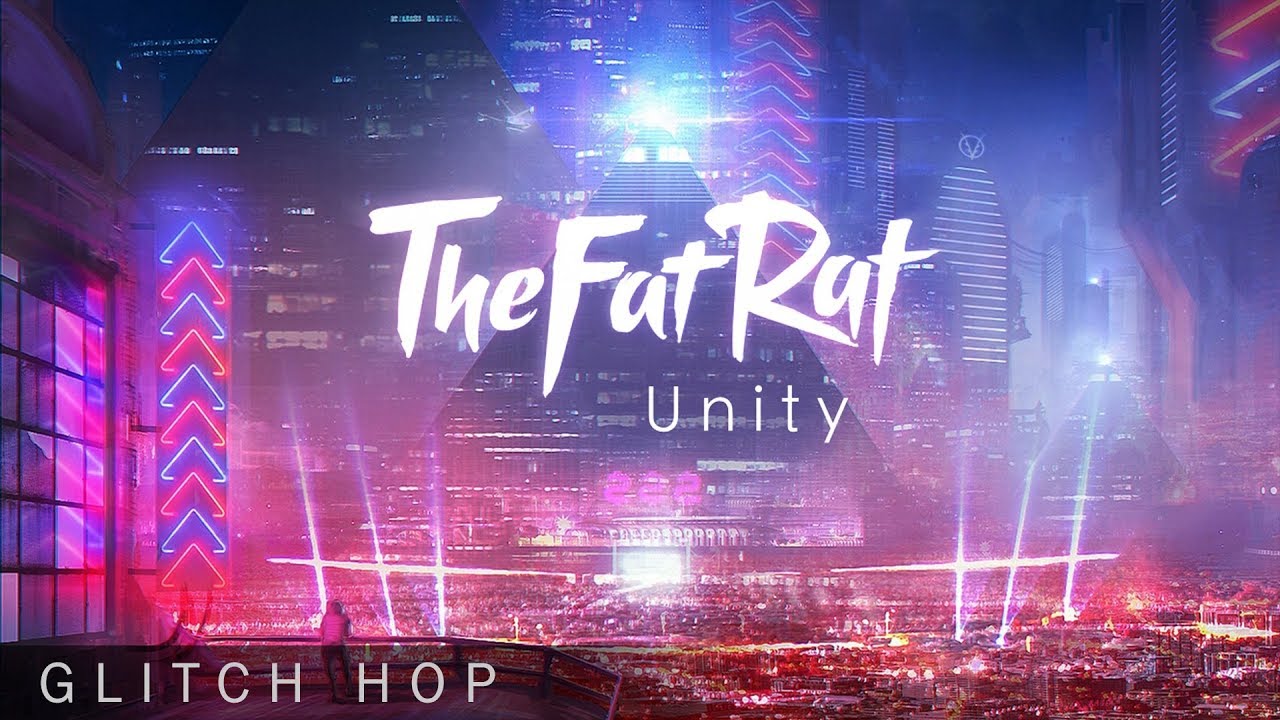
Image result for simplistic artImage result for unity albumImage result for neon city


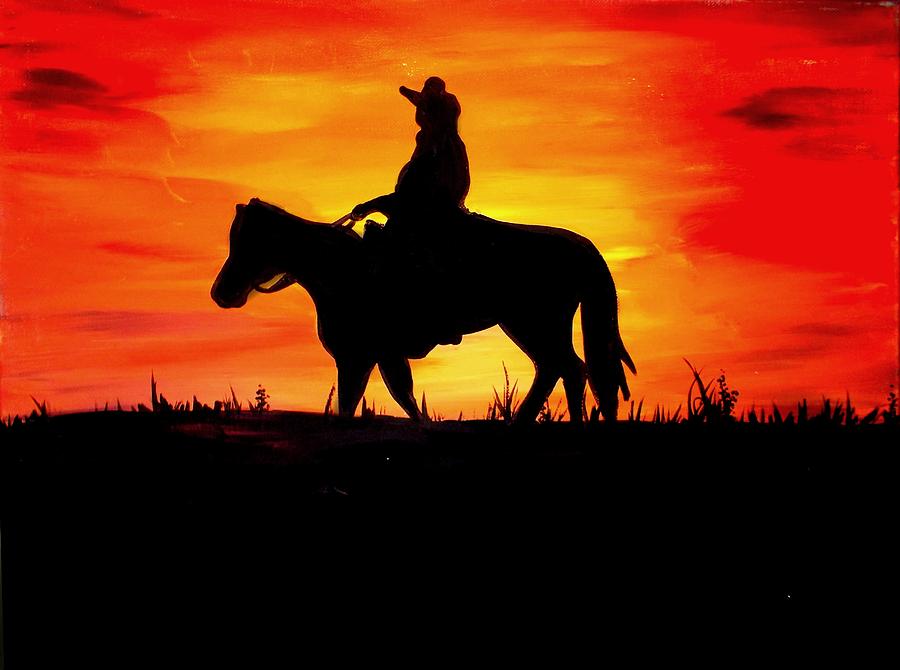
Image result for cowboys western


Image result for cowboy jackets with tassels

Image result for sunset cowboy


1. Jebediah Goulmann/Robert Carter
2. Malcolm Smyth
3. Terry Ratchet
4. Wilmer Piper/Tegan Keeley

what to find on a magazine


  • cover lines
  • not a lot of writing
  • big bold text for title/masthead
  • barcode
  • cover photo/ covers the entire front cover
  • price tag
  • what edition it is, e.g. vol 1/ issue 1
  • subtitles/slogans/catchphrases/sell lines
  • author name

Billboard Magazine May 25, 2019 issue.jpg


  • magazine company logo hugely printed on the side
  • many musical artists photoshopped in a way to make it look like a star wars movie poster, suggesting triumph, enthusiasm, eagerness, to give the target audience a sense of energy.
  • Includes many famous artists such as the Beetles, Elton John, Freddie Mercury and more
  • The use of using many neon colours such as yellow for freddie mercuries hand and blue and pinks around the cover photo shows how they are all 'stars' as well


Related image


Thursday, March 28, 2019

Formation

Formation by Beyonce

  • A single is a song which is released by itself in it's own album
  • A load of songs is an album 
  • Was released without any announcements, a surprise release
  • Was a one hit wonder
  • Beyonce was apart of destiny's child
  • Got a lot of profit due to Beyonce's popularity
  • Formation, lead single for the album Lemonade, was released the day before Beyonce's performance at the SuperBowl final in February 2016. The formation music video, directed by Melina Matsoukas, was released with the song
  • This music video one many awards including a Clio Award for innocation and creative excellence in music video at the 2016 awards, and has been nominated in the music video category at the 59th
  • Video is deliberately controversial as it's message is bold about black people with links to oppression and slavery
  • Video is highly Atypical, the unique selling point is the setting
Encoding: When the producer puts meaning into something
Decoding: When the audience is trying to understand what the producer has encoded
Colonialism:

  1. We see the world as a binary opposition by comparing the UK to the world, foreign vs familiar


  • The master shot (beyonce on a car) involves ordinary people and the police, the ordinary people is suggest by the mise-en-scene of what she's wearing, (a stereotypically working class dress) Conflict between calm and rebellion, Beyonce on a police car is illegal but she is calm
    • There is conflict between the police and the people
  • Another example of the police business is the young black kid acting like a threat to the police
  • There is a big amount of conflict due to the low-key lighting and a lot of political ideology of oppression being encoded
  • A conflict between civilisation and the weather, there is a huge amount of apocalyptic setting.
  • Rich and poor opposition: Wig shot transitioning to Beyonce in a posh antebellum victorian room
  • Mise-en-scene is set in the Antebellum Era
  • Many different Eras in the video such as Antebellum, 80/90s and modern, it's Atemporal
  • Her movements in the antebellum house were very aggressive and powerful and foot stamping is symbolic of power
  • her sticking up her middle fingers shows her disrespect and lack of hegemonic norms in society
  • Examples of sexualisation include the antebellum house when Beyonce is wearing revealing clothes
  • Makes Beyonce relatable to everybody in poverty, it reinforces stereotypes to make money
David Gauntlet: Pick and Mix theory
  • Audience and people pick certain parts of ideologies and create their own identity
  • Things that influence the way you are
    • Sexuality
    • Gender
    • Ethnicity
    • Class
    • Culture
    • Race
    • Religion
    • level of education
    • Location
    • Nationality
    • Age
  • These are all demographics: a simple way of categorising audience groups
Lisbet Van Zoonen: Feminist Theory
  • Gender is encoded through media language
    • men and women are encoded in different ways
  • Assumes that every audience member is a man
  • Ballet on ice is symbolic of women's stereotypical elegance
Paul Gilroy: Ethnicity & Post-Colonial Theory

    • Formation is:
      • Unique
      • Subversive
      • Atypical
      • Experimental
      • Different from a conventional music video
  • Establishing racial hierarchies is a way of establishing hegemonic control
    • Adding binary opposition can help make sense of the world


  1. White, middle-class teen boy, 13
    1. Vouyerism towards Beyonce
    2. Wouldn't understand the racist themes
    3. Would enjoy the dancing
  2. Mixed race woman, working class, 21
    1. May particularly enjoy the representation of women being powerful, direct mode of address from Beyonce
    2. Personal identification
  3. Black, middle class professional man, 25
    1. Far more interested and identified with the themes of racism
That B.E.A.T: Abteen Bagheri (2012)

  • Got a genre thats underground as its breaking copyright law
  • Bounce music has a big gay aspect within it
  • Genre is aimed towards gay, black, working-class people from Louisiana
  • Allows Beyonce to explore an aspect of black southern American culture, but is it just cultural appropriation?
  • What we are seeing is a black commercialisation, as Paul Gilroy says
  1. Establishing shot of southern american house sinking in the water
  2. Men twerking
  3. Tracking shot from moving car filming dilapidated Louisianans houses
  4. Police and neon lips, nightime handheld shot of black boy on bike with strobing police car, binary opposition between black youth and opposition
  5. Iconographic shot of ceiling fan connotes  a run down and poverty striken enviornment
  6. Under the bridge shot, covered in graffiti and signifies gang violence and crime
Intertexual reference to bounce music, a typically underground, non-mainstream genre of music.
Gives the video to formation a unique selling point (USP)
Allows Beyonce to target a wider audience, specifically southern state audience
Creates awareness of a genre which may otherwise be overlooked
Gives Beyonce an 'edge' dangerousness, a threatening feeling
Gives video a sense of 'realness' and authenticity, a representation of black, working class people

However completely ignores any representation of gay people, which is fundamental to the bounce genre
Removing the representation of gay people ensures the song's financial success

Thursday, March 21, 2019

Riptide

Riptide by Vance Joy


  • Is Vance Joy's first single to be released in the USA
  • Nearly has 300 million views on youtube
  • Directed by Dmitri Basil and Laura Gorum
  • Vance Joy is Australian
  • His music is indie-folk pop

  • Very atypical for a music video
  • It is deliberately difficult to analyse
  • It has a lot of hard-cuts (no smooth transitions)
  • A lot of binary opposition
  • Master shot of the 'singer' singing into the camera
  • The chorus and the verses is very structured
  • The video is Atemporal
  • Objectification of women, being vulnerable, we are positioned uncomfortably in the video
  • Made for heterosexual men: Lisbet Van Zoonen, Male Gaze
  • low-key hinting towards being feminist
  • Sexualisation is used
  • Voyeurism
  • Scopophilia: Scopophilic pleasure, taking pleasure at watching someone
  • The video is very polysemic
  • Bizarre, creepy and can promote word of mouth advertising
  • Its very contrapuntal : When the song doesn't match up with the video
  • One ideology perspective of the video is that women are weak and vulnerable
  • video is very sadistic 
  • Video may be a criticism to a patriarchal society

Structuralism: Claude Levi-Strauss

  • Is about and underlying meanings in signs and symbols
  • Strauss argued that we make sense of the world through Binary oppositions. This is to say we can only understand something through what is not
  • You can also call binary oppositions, Diametric opposition
  • Producers uses Binary opposition because of:
    • Entertainment
    • Comedy
    • Horror
    • Grabs the audience's attention quickly and easily
    • Emphasises one side of the binary opposition
    • Makes it easier for the producer to construct ideologies

The muted colours creates sadness and misery, the first person male gaze as well             >


<Her gesture makes her seem like a statue, this objectification suggests that she is more of an object than a person


< Pastel pink blouse connotes to the stereotypical girl colour


< Low angle shot makes her seem powerful


<The dark side shot, the female hands in this posture suggest that females are weak, the lighting is low-key and there is proairetic code


Mise-en-scene of her eyes signs that she is afraid, suggests manipulation, and the purple suggests its creepy                       >


How the video could be seen as feminist:

  1. The use of women's bodies being used to sell media products
  2. Low angle of woman on balcony connotates power
  3. Woman injured but carries on singing
  4. mid-shot of woman in graveyard and low-key lighting connotes death, misery and darkness
  5. Mid-shot of women removing swimming costume is critical of the sexualisation that is common in music videos
  6. Preferred reading is that people are supposed to enjoy the video
  7. An uncomfortable moment is the master-shot of woman singing and losing her makeup between shots. The fact she is bleeding is important it is symbolic of how women are treated in the entertainment industry. According to Van Zoonen, women are used to sell the product.
  8. Intertextuality
    1. Close-up shot of screaming woman face, shrouded by darkness
    2. Colourful dream-like quality that echoes through out
    3. Woman who is terrorise by men's pleasure
    4. highly emotive use of colour
    5. Use of cowboy iconography links to "A fist full of dollars"